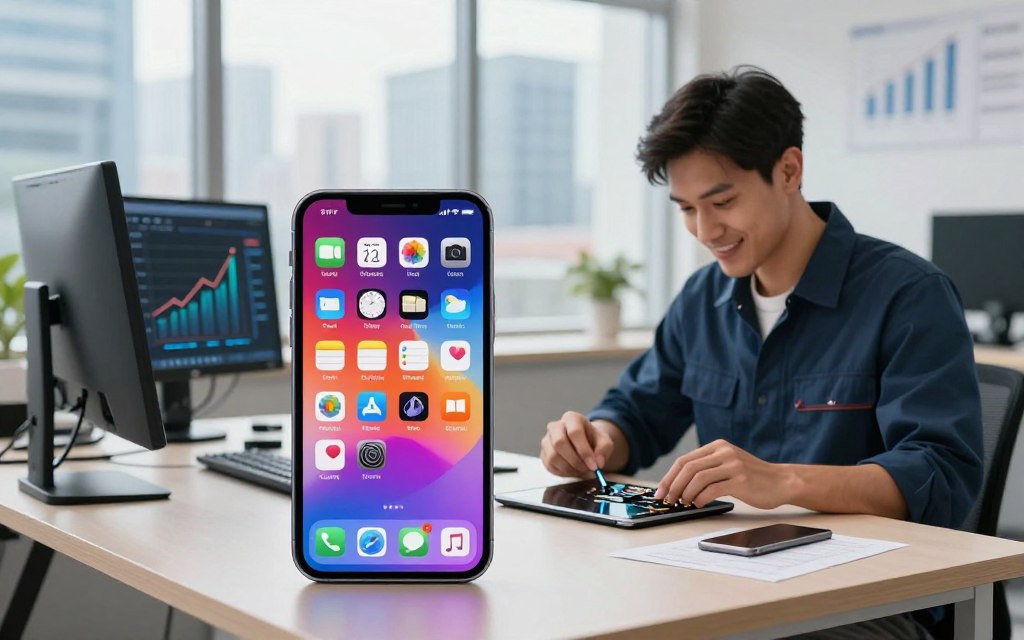

A routine phone update may add a feature; disruptive technology changes how people get a familiar service. That difference matters to families choosing how to watch shows and companies deciding how to serve customers.
New tools can change how people work, learn, communicate, and spend their free time. They can also alter how businesses compete and how entire industries operate. Novelty alone does not make an invention disruptive.
For readers, the challenge is separating a useful upgrade from a change that shifts habits or access. This guide offers a clear definition, familiar examples, and a look at the effects on everyday life and work.
The key test is not how new or advanced a product seems. It is whether people behave differently or companies change how they meet a need. The meaning of the term, and the criteria behind it, make that distinction clear.
Key Takeaways
- Disruption changes access, habits, or business models.
- A new invention can improve a product without disrupting its market.
- Some disruptive offerings start with users established providers overlook.
- AI can change work, but its presence alone proves little.
- New systems can bring useful services and real adoption costs.
What Does Disruptive Technology Mean?
Disruptive technology changes how people or businesses meet a need, not merely the tools they use. Its impact comes when it changes access, business models, or accepted ways of serving customers.
A technology is disruptive when it significantly changes how consumers, businesses, or industries operate. It may create a new market or reshape an existing one. A breakthrough is not automatically disruptive if few people adopt it or behavior stays much the same.
Newness is not the test: a technology becomes disruptive when it changes access, behavior, or the way a market works.
Clayton Christensen popularized the term “disruptive innovation” in a 1995 Harvard Business Review article. His work helped explain why an offering can start with a small group before challenging established ways of meeting a need.
By contrast, sustaining technology is an incremental improvement that helps an established product or process serve its existing market better. A sharper camera on a phone may be a sustaining change, while a new service can shift how people take and share photos.
The name of the company that builds a product does not settle the question. An incumbent, or established industry leader, can create a disruptive offering. A startup can also release a product that improves an existing one without changing the market.
The useful distinction is between a better tool and a changed way of reaching a need. That change often follows a recognizable pattern, though its pace and path vary.
How Does Disruption Take Hold in a Market?
A basic service can first gain traction with users established providers have overlooked. That early foothold can grow as the offering becomes more useful and reaches a wider audience.
Disruptive technologies often begin with a need that larger companies have not made a priority. The pattern is common, but not every disruptive technology follows these steps or starts with a niche.
From an overlooked need to wider adoption
An early product may be slower, simpler, or less polished than established options. It can still appeal to people who cannot afford, access, or use those options easily.
As companies improve the technology, it may meet needs that matter to mainstream users. Wider use can then reset expectations, change a market, or push an established approach aside.
- Meet a need that current providers leave underserved.
- Improve the offering as users test and adopt it.
- Reach more mainstream users with broader value.
- Change market expectations or displace an established approach.
These steps describe one possible path, not a fixed rule. Some offerings enter established markets directly, while others remain useful to a small group.
Why incumbents can miss the shift
Incumbents often focus on current customers, established processes, and existing business models. Those commitments can make a smaller market seem unattractive or hard to prioritize.
Companies may also judge a new product by the standards of their current customers. Early versions can seem weak beside established products, even when they meet an overlooked need better.
That is why a startup’s name or an advanced design cannot prove disruption. The mistake is treating a technology as disruptive just because a startup made it or it looks advanced.
Disruption depends on what people adopt and how that use changes the market. Familiar examples show how everyday habits can shift when a new offering becomes easier to use.

Which Disruptive Technology Examples Changed Everyday Life and Work?
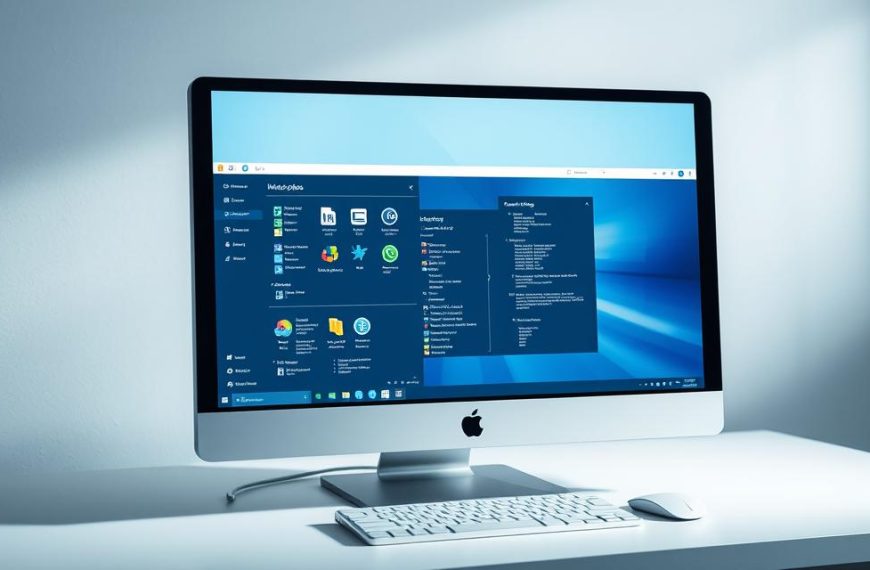
Personal computers changed how people study, work, and spend leisure time. That wider role helped make typewriters less common as computers became part of daily life.
A technology’s impact depends on adoption and changed behavior, not a striking demonstration. A technically impressive prototype alone does not show that people will use it or that a market will change.
Personal devices and entertainment
Personal computers brought writing, research, and games into one device. Students could prepare schoolwork, workers could create documents, and families could use computers for leisure.
Streaming platforms changed how people watch television and movies and listen to music. Instead of relying only on physical rentals or scheduled viewing, users gained on-demand access. Streaming also changed how entertainers reach audiences.
Digital infrastructure for businesses
Cloud computing lets users reach files and applications from different devices. It changes where work and information are stored, rather than keeping them tied to one computer.
Blockchain records transactions on a shared digital ledger. A ledger is a record of transactions, and a shared version can help participants track entries across a network.
People often ask, is AI a disruptive technology? AI can be disruptive when it materially changes tasks, services, or business models. The label alone does not prove industry-wide disruption.
New ways to make and design products
3D printing creates objects layer by layer from digital designs. It is used in fields including medicine and aerospace, where teams can make parts or models from a planned design.
These examples changed familiar processes in different ways. The table compares the earlier approach with the change each technology enabled.
| Technology | Earlier alternative or process | Change it enabled | Area affected |
|---|---|---|---|
| Personal computers | Typewriters | Changed study, work, and leisure | Education, work, and home use |
| Streaming | Physical rentals or scheduled viewing | On-demand access to entertainment | Television, movies, and music |
| Cloud computing | Files and applications stored or run on one device | Access from different devices | Personal and business computing |
| 3D printing | Conventional product development and prototyping | Layer-by-layer object creation from digital designs | Medicine and aerospace |
The effect of each example depends on real use, not technical promise alone. Across industries, such changes can affect services, work, and access in different ways.
Where Does Disruptive Technology Change Industries Most?
A business can use shared cloud files across phones, tablets, and computers. That shared access can change how staff find information and work together.
In business, disruption means a change to operations, customer expectations, or how value reaches users. Effects vary by industry and by how people can access a service.
Business models and operations
Cloud services can help companies manage information across devices. AI can take on repetitive tasks, giving people more time for complex or creative work.
AI and cloud tools may also change how companies deliver products and services. Teams that work across locations can use asynchronous communication in computer networks to share updates without asking everyone to respond at once.
Healthcare and access to services
In healthcare, telemedicine and biotechnology can support consultation, diagnosis, treatment, and monitoring. Telemedicine lets patients and care teams connect without meeting in the same room.
Biotechnology can support work on disease diagnosis and treatment. A new tool is not disruptive by itself; it must change access to care or how care is delivered.
Education and everyday information
Computers and AI applications can affect how learners reach information and get learning support. Disruptive technology in education means a change in how learners reach information, instruction, or help.
The change may be meaningful for one learner or school and limited for another. Benefits depend on how a tool is used and who can access it.
| Industry | Technology example | Process affected | Possible change for users |
|---|---|---|---|
| Business | Cloud computing and AI | Information management and repetitive work | Access across devices and automated tasks |
| Healthcare | Telemedicine and biotechnology | Consultation, diagnosis, treatment, or monitoring | New ways to access and support care |
| Education | Computers and AI applications | Access to information and learning support | New ways to study and use learning tools |
The same technology can help one group while leaving another behind. Its effects depend on access, training, and fit with people’s needs, so adoption brings questions as well as possible benefits.
What Are the Risks and What Could Disrupt Next?
A new system may help a team finish routine work faster, yet still bring setup problems. Early use can reveal glitches, weak security, or a poor fit for the task.
Disruptive technology can bring new services and efficiency, but adoption has costs and uncertainty. Early versions may be unrefined, unreliable, or lack a proven use.
A promising tool still needs a clear purpose, user training, and security checks before a wider rollout.
Early adoption brings uncertainty
Software may need updates and patches to fix glitches. New systems can also bring implementation problems, uneven access, and security concerns.
Cybersecurity practices must keep pace as connected systems grow. A discussion of connected-device security risks covers weaknesses that can affect smart-home devices and wearables.
Practical disruptive technology solutions start with a small test, not a promise of guaranteed results. A team can check these points before expanding a new tool:
- Identify the need the tool should address.
- Test one limited use case.
- Train the people who will use it.
- Review results and cybersecurity before expanding.
Preparing for the next shift
No one can name a single next disruptive technology with certainty. AI, machine learning, connected devices, and quantum computing are areas to watch, not guaranteed forecasts.
Artificial intelligence may change specific tasks without making every job or occupation obsolete. The impact depends on how employers adopt it and which tasks they assign to software.
Technology becoming mainstream does not mean it will vanish in five years. A measured response is to test claims against real needs, results, and risks before treating a new system as a market shift.
Conclusion
Disruption is measured by changed habits and market behavior, not by novelty alone. It depends on meaningful changes in access, behavior, or business models.
Those changes can create opportunities and real adjustment costs for people and businesses. A new tool may help one group while asking another to change familiar work or routines.
Choose one specific process or need, then assess whether a new tool changes outcomes for the people who use it. Examine a real-world need before deciding that a technology is disruptive.


 By
By

 By
By